January 06, 2025
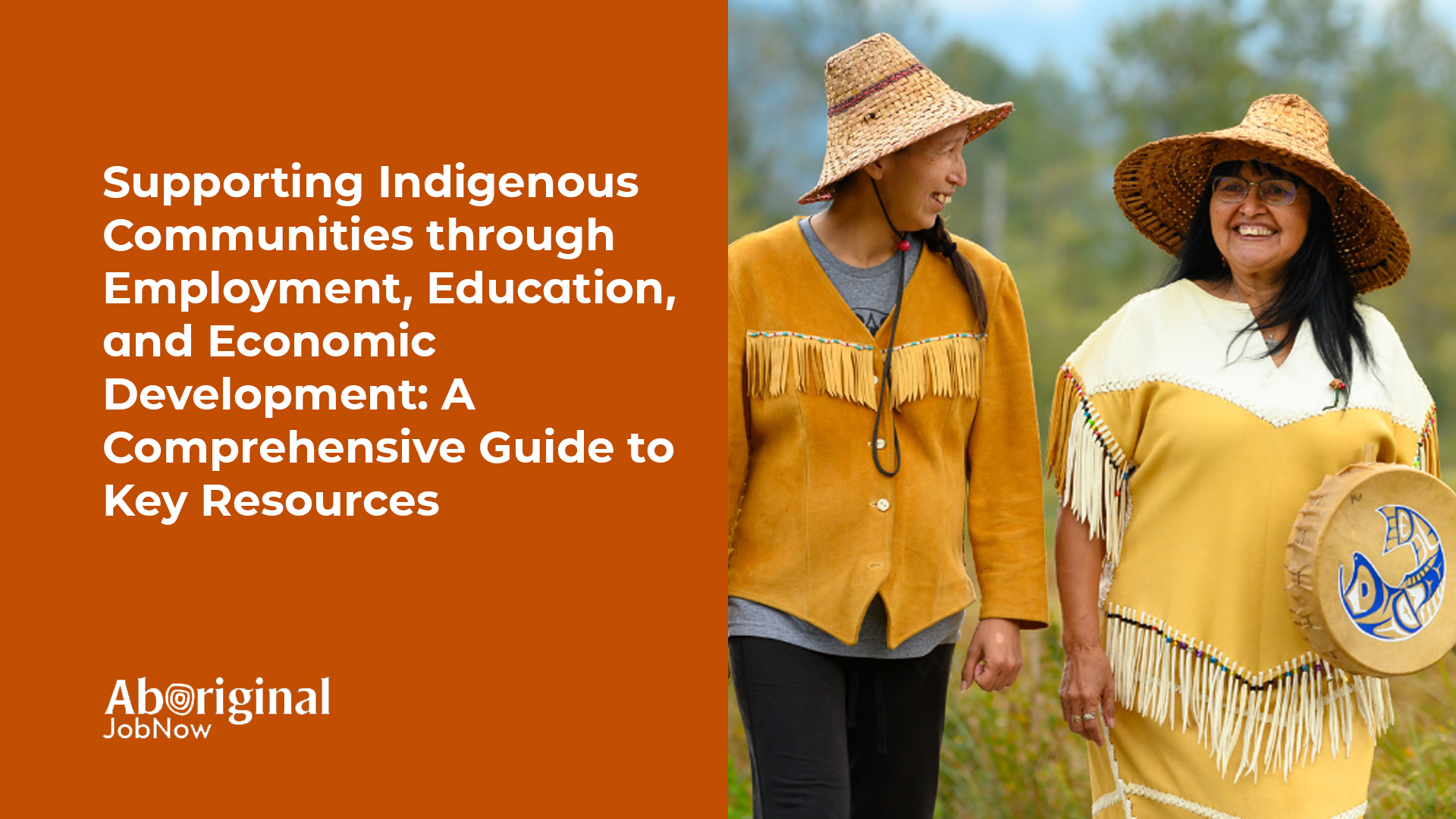
In Canada, Indigenous communities face unique challenges in employment, education, and economic development. While these communities have rich histories, cultures, and traditions, they also face a long history of marginalization, resulting in systemic barriers to accessing opportunities in various sectors. Several organizations are dedicated to empowering Indigenous people by offering support, resources, and advocacy. One such critical organization is the Assembly of First Nations (AFN), along with other notable organizations and initiatives.
In this article, we’ll explore the AFN, how it supports First Nations communities, and highlight other essential organizations and resources that provide support in areas like employment, education, and economic development for Indigenous peoples in Canada.
The Assembly of First Nations (AFN) is Canada’s national advocacy organization representing First Nations peoples. Established in 1982, the AFN aims to protect the rights of First Nations people and advocate for their interests in all areas of society. It is a politically independent body, meaning it does not represent or make decisions for individual First Nations communities but works to ensure their collective voices are heard at the national level.
Overview of AFN's Mission and Goals:
AFN’s mission is centered around advancing the self-determination of First Nations peoples, advocating for social justice, and fostering sustainable development. The AFN has a strong focus on policy advocacy, providing communities with the necessary resources and programs to foster positive changes. Through its work, it seeks to bridge the gap between First Nations and non-Indigenous Canadians by ensuring that Indigenous peoples are fully engaged in all aspects of society.
One of the AFN’s most significant focuses is providing resources related to employment, education, and economic development. Through these efforts, it helps to empower communities to drive their own growth and recovery, based on traditional knowledge and modern practices. The AFN has established programs aimed at youth employment, skills development, and creating sustainable employment opportunities for people of all ages in Indigenous communities.
Key Features of the AFN's Work:
For further information about the AFN’s programs and services, visit their official website.
While the AFN plays a central role in advocating for First Nations people, there are other important organizations and initiatives that are crucial for supporting Indigenous communities in their journey towards economic development, education, and employment. Below, we’ll highlight some of these resources.
The Métis National Council represents the Métis Nation, which is an important Indigenous group in Canada with a distinct culture and history. The MNC offers a variety of resources, including employment and training opportunities, economic development programs, and advocacy for Métis rights.
Visit the MNC’s website for more information on their programs: Métis National Council.
The AITC provides technology-related employment opportunities, training programs, and support for Indigenous people interested in working within the IT and digital sectors. The council collaborates with industry leaders and educational institutions to offer opportunities that will help Indigenous people thrive in an increasingly digital world.
Learn more about their initiatives by visiting their website: AITC.
The Native Women’s Association of Canada (NWAC) is committed to improving the social, economic, and political well-being of Indigenous women and girls. NWAC’s advocacy focuses on addressing gender-specific challenges faced by Indigenous women in the workforce, education, and health.
Explore NWAC's initiatives at: NWAC.
The Canadian Council for Aboriginal Business (CCAB) is a non-profit organization dedicated to promoting economic growth by fostering partnerships between Indigenous businesses and non-Indigenous companies. The CCAB focuses on creating networking opportunities, access to capital, and building Indigenous entrepreneurship across Canada.
For more information about their programs, visit: CCAB.
The Inuit Tapiriit Kanatami (ITK) represents the Inuit in Canada. The organization advocates for Inuit rights, supports education initiatives, and promotes economic opportunities for Inuit communities. ITK’s work is essential in providing Inuit youth and adults with skills development and employment support.
Learn more at: ITK.
The United Way is an important partner in the development of Indigenous communities, providing funding and resources to local programs that support Indigenous youth, families, and communities. United Way has developed specific initiatives aimed at tackling poverty, homelessness, and barriers to education and employment for Indigenous peoples.
To learn more about their programs, visit: United Way.
The National Aboriginal Capital Corporations Association (NACCA) plays a vital role in supporting Indigenous businesses by providing financing and advisory services. NACCA works with local Indigenous Capital Corporations to ensure that entrepreneurial ventures are successful and contribute to community wealth building.
For more details, visit: NACCA.
The Philanthropy and Aboriginal Peoples initiative aims to connect charitable foundations with Indigenous communities to ensure that resources are directed towards impactful projects. This includes support for education, economic development, cultural preservation, and environmental sustainability in Indigenous communities.
Explore the initiative at: Philanthropy and Aboriginal Peoples.
Organizations like the AFN, along with the other initiatives mentioned above, are instrumental in supporting Indigenous communities across Canada. They provide invaluable resources, advocacy, and programming that help Indigenous people access employment, education, and economic opportunities. By supporting Indigenous-led initiatives and recognizing the unique needs of First Nations, Métis, and Inuit peoples, these organizations are helping to create a more equitable and inclusive Canada.
The importance of supporting Indigenous communities cannot be overstated, and it is crucial that all Canadians participate in this ongoing journey towards reconciliation, empowerment, and growth. Whether you are an individual looking to support Indigenous initiatives or a business seeking to partner with Indigenous communities, there are numerous ways to get involved.
If you are looking to contribute to the development of Indigenous communities, consider partnering with or donating to organizations that provide essential services for employment, education, and economic growth. Here are some key organizations you can support:
By getting involved and supporting these initiatives, you can play a role in helping to build a more inclusive and prosperous future for Indigenous communities across Canada. Together, we can foster positive change, bridge gaps in opportunities, and create lasting legacies of prosperity for Indigenous peoples